
The kitchen is often considered the heart of the home, serving as a hub for cooking, socializing, and family gatherings. A well-designed and efficiently organized kitchen can enhance your daily life, making meal preparation more enjoyable while creating a welcoming environment for friends and family. Understanding kitchen design, layout, storage solutions, and practical tips is crucial for anyone looking to maximize functionality and aesthetics.
The Importance of a Functional Kitchen
A kitchen is more than just a place to cook; it impacts health, efficiency, and lifestyle. Key reasons why a functional kitchen is essential include:
- Ease of Cooking: Properly arranged workspaces reduce effort and increase efficiency.
- Safety: Well-organized kitchens minimize accidents such as slips, burns, or cuts.
- Hygiene: Clean, uncluttered kitchens prevent contamination and maintain food safety.
- Social Space: Many families use kitchens as a communal area for conversation, dining, and bonding.
- Value Addition: A modern, efficient kitchen increases the value of your home.
Kitchen Layouts and Design Ideas
Choosing the right layout for your kitchen is critical for efficiency and style. Common kitchen layouts include:
- L-Shaped Kitchen: Ideal for small to medium spaces, offering efficient work triangles and open flow.
- U-Shaped Kitchen: Provides ample counter space and storage, perfect for larger kitchens.
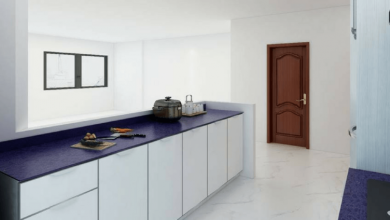
- Galley Kitchen: Long and narrow, designed for efficiency and limited space usage.
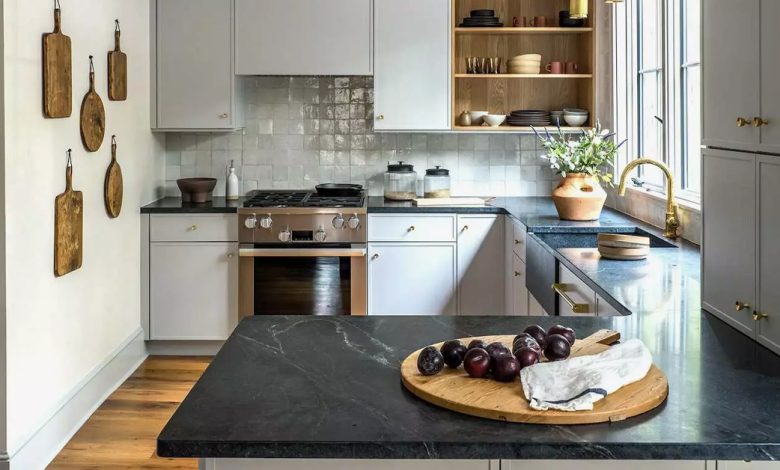
- Island Kitchen: Incorporates a central island for extra workspace, storage, and social interaction.
- Open Concept Kitchen: Integrates with living or dining areas, creating a spacious and inviting atmosphere.
Essential Kitchen Zones
A well-organized kitchen divides into functional zones for efficiency:
- Cooking Zone: Includes stove, oven, microwave, and cooking utensils.
- Preparation Zone: Counter space, cutting boards, and knives for meal prep.
- Cleaning Zone: Sink, dishwasher, and waste disposal area.
- Storage Zone: Cabinets, pantry, and drawers for ingredients and cookware.
- Refrigeration Zone: Fridge and freezer for perishable items.
Storage Solutions for Every Kitchen
Proper storage maximizes space, reduces clutter, and enhances efficiency. Some practical ideas include:
- Cabinet Organizers: Pull-out shelves, lazy Susans, and drawer dividers improve accessibility.
- Vertical Storage: Wall-mounted racks, hooks, and shelves make use of vertical space.
- Pantry Solutions: Use labeled containers, baskets, and tiered shelving for easy access.
- Under-Sink Storage: Utilize under-sink cabinets for cleaning supplies and trash bins.
- Refrigerator Organization: Store similar items together, use clear containers, and rotate food to prevent spoilage.
Kitchen Appliances: Choosing the Right Tools
Modern kitchens benefit from a mix of essential and advanced appliances to improve cooking efficiency:
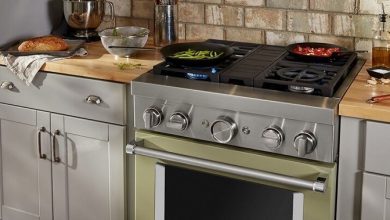
- Ovens and Stoves: Gas or electric options with varying features for baking, roasting, and grilling.
- Refrigerators: Choose models with sufficient storage, energy efficiency, and temperature control.
- Dishwashers: Save time and maintain hygiene with energy-efficient dishwashers.
- Microwave and Convection Ovens: Convenient for reheating and quick cooking.
- Small Appliances: Blenders, food processors, mixers, and coffee machines enhance kitchen versatility.
Tips for Kitchen Organization and Efficiency
A well-organized kitchen improves workflow and saves time. Consider the following:
- Declutter Regularly: Remove items not frequently used to free up space.
- Zone Planning: Group similar tasks together for seamless cooking.
- Accessible Essentials: Keep frequently used utensils and ingredients within arm’s reach.
- Labeling: Label containers, shelves, and drawers to simplify item retrieval.
- Daily Maintenance: Clean countertops, wash dishes, and organize pantry items daily.
Kitchen Lighting and Aesthetics
Proper lighting and aesthetic elements enhance both functionality and ambiance:
- Task Lighting: Under-cabinet lights and pendant lamps illuminate work areas.
- Ambient Lighting: Ceiling fixtures or recessed lighting create a welcoming environment.
- Accent Lighting: Highlight artwork, backsplashes, or display shelves.
- Color Schemes: Use light colors to create spaciousness or bold colors for visual impact.
- Backsplashes and Countertops: Choose durable, easy-to-clean materials like quartz, granite, or tiles.
Sustainable and Eco-Friendly Kitchen Practices
Modern kitchens can contribute to sustainability and reduce environmental impact:
- Energy-Efficient Appliances: Use appliances with high energy ratings.
- Water Conservation: Install low-flow faucets and avoid wastage.
- Composting: Convert food scraps into compost to reduce landfill waste.
- Reusable Storage: Use glass or stainless steel containers instead of disposable plastics.
- Sustainable Materials: Choose cabinetry and flooring made from eco-friendly, renewable resources.
Safety and Hygiene in the Kitchen
Maintaining a safe and hygienic kitchen is essential for health and well-being:
- Sanitize Surfaces: Regularly clean countertops, cutting boards, and utensils.
- Proper Food Storage: Keep raw and cooked foods separate to prevent contamination.
- Fire Safety: Keep fire extinguishers and first aid kits accessible.
- Ventilation: Proper ventilation prevents smoke, odors, and moisture accumulation.
- Childproofing: Use cabinet locks and stove guards if children are present.
Kitchen Maintenance Tips
Maintaining a clean, functional kitchen ensures longevity and performance:
- Routine Cleaning: Wipe down surfaces, appliances, and cabinets weekly.
- Appliance Care: Follow manufacturer instructions for cleaning and servicing.
- Check Plumbing: Inspect sinks and faucets for leaks regularly.
- Floor Care: Sweep and mop to prevent dirt accumulation and damage.
- Organizational Audit: Periodically review pantry, drawers, and cabinets for unused items.
Conclusion
The kitchen is a dynamic space that blends functionality, design, and lifestyle. By implementing proper organization, selecting the right appliances, optimizing lighting, and maintaining hygiene, you can create a kitchen that is both practical and aesthetically pleasing. A thoughtfully designed kitchen enhances cooking efficiency, encourages social interaction, and adds value to your home. Whether renovating, designing from scratch, or simply reorganizing, the kitchen should reflect your needs, style, and commitment to functionality.
FAQ Section
1. What are the most efficient kitchen layouts for small spaces?
L-shaped and galley kitchens maximize workflow and counter space in compact areas.
2. How can I improve storage in a crowded kitchen?
Use vertical storage, pull-out shelves, drawer dividers, and pantry organizers to optimize space.
3. What are the essential appliances for every kitchen?
Oven, stove, refrigerator, dishwasher, microwave, and small appliances like blenders and mixers are considered essential.
4. How do I maintain hygiene in the kitchen?
Clean surfaces and utensils regularly, store food properly, and separate raw and cooked items.
5. What eco-friendly practices can I adopt in my kitchen?
Use energy-efficient appliances, compost food waste, conserve water, and choose sustainable materials.
6. How important is lighting in a kitchen?
Proper lighting ensures safety, improves workflow, and enhances the kitchen’s aesthetic appeal.
7. How can I make my kitchen more social and welcoming?
Incorporate open layouts, islands, seating areas, and ambient lighting to create a comfortable space for gatherings.