

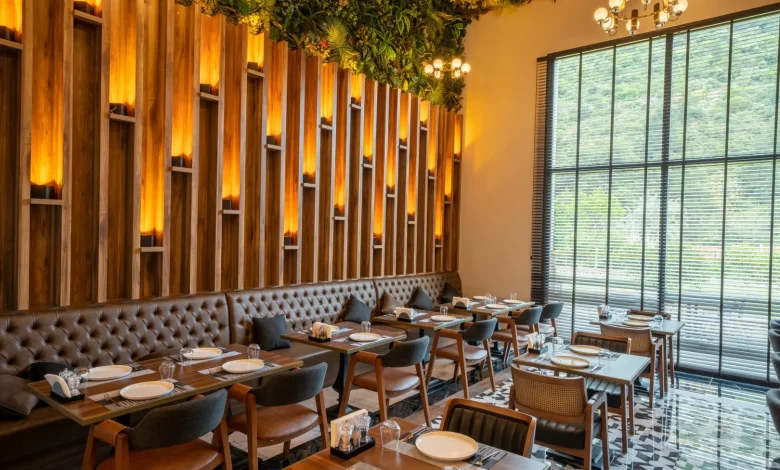
Restaurants are more than just places to eat; they are destinations for culinary exploration, social gatherings, and memorable experiences. Whether it’s a casual café, a fine-dining establishment, or a family-friendly bistro, restaurants offer a wide range of flavors, atmospheres, and services that cater to diverse tastes and preferences. Understanding the dynamics of restaurants can enhance your dining choices and elevate your overall experience.
The Role of Restaurants in Modern Society
Restaurants play a significant role in daily life and culture, offering more than just food:
- Social Interaction: Restaurants provide a space for friends, families, and colleagues to connect and enjoy shared meals.
- Cultural Exploration: They showcase cuisines from around the world, allowing diners to experience different culinary traditions.
- Economic Impact: Restaurants contribute to local economies by creating jobs, supporting suppliers, and attracting tourism.
- Innovation in Cuisine: Many restaurants experiment with new dishes, techniques, and presentations, influencing food trends globally.
- Convenience: Restaurants offer ready-to-eat meals, saving time and effort for busy individuals and families.
Types of Restaurants
Restaurants vary in style, service, and cuisine, each offering a unique dining experience:
- Fine Dining Restaurants: Offer high-quality cuisine, sophisticated ambiance, and attentive service, often with prix fixe menus or extensive wine lists.
- Casual Dining: Comfortable settings with moderately priced meals, suitable for families, friends, and everyday dining.
- Fast Food: Quick, affordable meals designed for convenience, often featuring burgers, fries, and beverages.
- Cafés and Bistros: Focus on light meals, coffee, and pastries, offering cozy atmospheres for socializing or working.
- Ethnic Restaurants: Specialize in cuisines from specific cultures, such as Italian, Mexican, Japanese, or Indian.
- Buffet-Style Restaurants: Offer a variety of dishes where diners serve themselves, providing flexibility and variety.
- Pop-Up and Food Trucks: Temporary or mobile establishments that serve unique dishes and innovative concepts.
Key Factors to Consider When Choosing a Restaurant
Selecting the right restaurant can significantly impact your dining experience. Important factors include:
- Cuisine and Menu Options: Consider dietary preferences, specialty dishes, and variety offered.
- Ambiance and Atmosphere: The setting should match the occasion, whether it’s romantic, casual, or festive.
- Service Quality: Attentive, friendly staff can elevate the dining experience.
- Location and Accessibility: Convenient location and parking options add to comfort.
- Price and Value: Ensure that the cost aligns with the quality and portion size.
- Reviews and Recommendations: Feedback from previous diners can guide your choice.
- Hygiene and Safety: Cleanliness in the dining area and kitchen is crucial for health and comfort.
Restaurant Menus and Culinary Trends
Restaurant menus are dynamic, reflecting customer preferences, seasonal ingredients, and culinary trends:
- Seasonal Menus: Highlight fresh, locally sourced ingredients, offering unique flavors throughout the year.
- Fusion Cuisine: Combines elements from multiple culinary traditions to create innovative dishes.
- Healthy Options: Low-calorie, vegan, gluten-free, or nutrient-rich dishes cater to health-conscious diners.
- Chef’s Specials: Unique creations from chefs that showcase creativity and technique.
- Interactive Menus: Some restaurants allow diners to customize dishes according to taste and dietary needs.
Dining Etiquette and Restaurant Tips
Enjoying a restaurant experience goes beyond food; etiquette and practical tips enhance the overall visit:
- Reservations: Booking in advance, especially for popular or fine-dining restaurants, ensures availability.
- Timing: Consider peak hours to avoid long waits or choose off-peak times for a quieter experience.
- Tipping: Understanding customary tipping practices ensures proper appreciation for service staff.
- Ordering Strategies: Ask about portion sizes, share dishes, or request modifications if necessary.
- Feedback: Providing constructive feedback can help improve service and menu offerings.
Restaurant Technology and Innovations
Modern restaurants increasingly integrate technology to improve efficiency and customer experience:
- Online Ordering: Allows diners to place orders for pickup or delivery conveniently.
- Digital Menus: Tablets or QR codes reduce physical contact and provide detailed descriptions.
- Reservation Apps: Simplify booking processes and manage waiting lists.
- Kitchen Automation: Enhances consistency, speed, and safety in food preparation.
- Social Media Marketing: Promotes new dishes, events, and special offers to attract customers.
Sustainability Practices in Restaurants
Many restaurants now focus on sustainable practices to reduce environmental impact:
- Locally Sourced Ingredients: Supports local farmers and reduces carbon footprint.
- Waste Reduction: Implementing composting, recycling, and portion control to minimize food waste.
- Eco-Friendly Packaging: Using biodegradable containers for takeout and delivery orders.
- Energy Efficiency: Utilizing energy-efficient appliances and lighting systems.
- Water Conservation: Reducing water usage in kitchens and restrooms.
Cultural and Global Perspectives on Restaurants
Restaurants reflect the culture and lifestyle of their locations:
- Europe: Known for fine dining, café culture, and regional specialties.
- Asia: Emphasizes fresh ingredients, street food culture, and communal dining experiences.
- North America: Offers a mix of casual dining, fast food, and diverse international cuisines.
- Middle East: Restaurants highlight traditional flavors, hospitality, and rich spices.
- Latin America: Vibrant flavors, street food, and festive atmospheres are common.
Restaurant Marketing and Customer Engagement
Successful restaurants employ various strategies to attract and retain customers:
- Loyalty Programs: Reward frequent diners with discounts or exclusive offers.
- Social Media Engagement: Promote events, specials, and interactive content.
- Themed Nights and Events: Draw crowds with live music, tasting menus, or cultural celebrations.
- Collaborations: Partnering with local suppliers or chefs for unique offerings.
- Customer Feedback Integration: Continuously improving based on reviews and surveys.
Conclusion
Restaurants are more than places to eat—they are spaces for socializing, cultural exploration, and culinary creativity. Understanding the types of restaurants, menu trends, service quality, and dining etiquette can help diners make informed choices and enjoy memorable experiences. Modern restaurants combine technology, sustainability, and innovation to meet evolving customer expectations while maintaining quality and hospitality. Whether it’s a casual brunch, a business lunch, or a fine-dining celebration, restaurants continue to shape how people experience food, culture, and community.
FAQ Section
1. How do I choose the right restaurant for a special occasion?
Consider cuisine, ambiance, service quality, and reviews to match the occasion and preferences.
2. Are online reviews reliable when selecting a restaurant?
While reviews provide useful insights, it’s best to consider multiple sources and personal recommendations.
3. How can I find restaurants with dietary-friendly options?
Search for vegan, gluten-free, or low-calorie options on menus or restaurant websites.
4. What are the benefits of fine-dining restaurants?
They offer high-quality cuisine, professional service, and a sophisticated dining experience.
5. How has technology impacted restaurant experiences?
Digital menus, online reservations, and ordering apps enhance convenience, safety, and customer engagement.
6. What is the importance of sustainability in restaurants?
Sustainable practices reduce environmental impact, support local communities, and attract eco-conscious diners.
7. How do restaurants influence local culture and economy?
They create jobs, promote tourism, showcase culinary traditions, and support local producers.