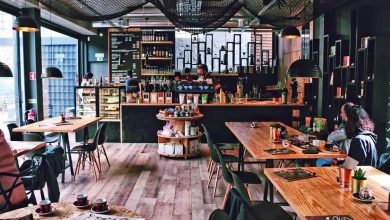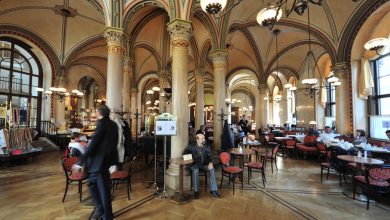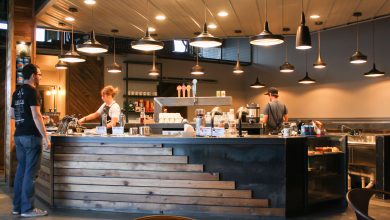


Cafes have become more than just places to grab a cup of coffee; they are cultural hubs, creative spaces, and social meeting points. From bustling city streets to quiet suburban corners, cafes offer a unique blend of ambiance, flavors, and experiences. Understanding the role of cafes in modern life involves exploring their history, the variety of offerings, design trends, and the business opportunities they create.
The History of Cafes
The concept of the cafe dates back to the Ottoman Empire, where coffee houses served as social and intellectual hubs. By the 17th century, cafes spread across Europe, particularly in France, Italy, and England, becoming centers for conversation, debate, and artistic expression. Parisian cafes, in particular, played a crucial role in shaping cultural life, hosting writers, artists, and philosophers. Today, cafes continue to blend tradition with modern innovation, offering coffee culture alongside pastries, meals, and community experiences.
Types of Cafes You Can Find
Cafes have diversified significantly over the years, catering to different tastes, lifestyles, and occasions. Some popular types include:
- Specialty Coffee Cafes: Focused on high-quality, carefully sourced coffee beans, precise brewing methods, and artisan preparation.
- Cafe-Bakeries: Combine fresh bakery items like croissants, muffins, and cakes with a wide coffee selection.
- Casual Cafes: Offer a relaxed, cozy environment for casual meet-ups, often featuring simple menus and comfortable seating.
- Themed Cafes: Designed around unique concepts such as books, pets, art, or retro styles, creating immersive experiences for visitors.
- Internet Cafes: Provide Wi-Fi, computers, and workspaces, catering to students, freelancers, and remote workers.
- Eco-Friendly Cafes: Focus on sustainable practices, using biodegradable materials, locally sourced ingredients, and zero-waste operations.
Modern Cafe Trends
The cafe industry has evolved with consumer preferences and global trends, reflecting both innovation and lifestyle shifts:
- Third-Wave Coffee Movement: Emphasizes the art and science of coffee, from bean origin to brewing techniques, highlighting flavor nuances and ethical sourcing.
- Plant-Based Options: Cafes increasingly offer dairy alternatives like oat, almond, or soy milk, alongside vegan pastries and meals.
- Hybrid Spaces: Many cafes combine elements of co-working spaces, art galleries, or bookstores, enhancing their appeal to diverse audiences.
- Instagram-Worthy Decor: Aesthetic presentation, unique interior designs, and photogenic dishes have become essential for attracting social media-savvy customers.
- Health-Conscious Offerings: Smoothie bowls, cold-pressed juices, and organic menu items cater to the growing demand for wellness-oriented foods and beverages.
- Coffee Subscriptions and Delivery: Cafes now extend their reach through home delivery, subscription boxes, and online merchandise, creating additional revenue streams.
How to Choose the Right Cafe for You
Selecting a cafe that matches your taste, mood, and needs enhances your overall experience. Consider these factors:
- Ambiance and Atmosphere: Whether you prefer quiet spaces for work or lively spots for social gatherings, the cafe’s environment matters.
- Quality of Coffee and Food: Look for cafes that prioritize fresh, high-quality ingredients and skilled preparation.
- Menu Variety: A diverse menu with options for different dietary needs ensures everyone can enjoy their visit.
- Customer Service: Friendly, knowledgeable staff contribute significantly to a positive experience.
- Location and Accessibility: Proximity, parking availability, and ease of access are practical considerations.
- Community Engagement: Cafes that host events, workshops, or local art exhibitions create a richer experience.
The Art of Coffee in Cafes
Cafes have transformed coffee drinking into an experience that combines flavor, presentation, and ritual. Some key elements include:
- Espresso-Based Drinks: Classic favorites like cappuccinos, lattes, and macchiatos showcase the skill of baristas.
- Pour-Over and Chemex Methods: These manual brewing techniques highlight flavor clarity and coffee complexity.
- Cold Brew and Iced Coffees: Popular for their smooth, low-acid profile, suitable for warmer climates and casual enjoyment.
- Latte Art: Enhances the visual appeal, reflecting the barista’s skill and attention to detail.
- Seasonal and Specialty Drinks: From pumpkin spice lattes to matcha-infused beverages, seasonal offerings keep the menu dynamic.
Cafe Culture Around the World
Cafes vary in style, menu, and purpose across different regions, reflecting local culture:
- Italy: Renowned for espresso bars and a quick, standing coffee culture, emphasizing quality and efficiency.
- France: Cafes serve as social gathering points with a focus on leisure, pastries, and outdoor seating.
- United States: Ranges from large coffee chains to independent specialty cafes, highlighting convenience and innovation.
- Japan: Offers minimalist, meticulously prepared coffee experiences, often incorporating tea culture.
- Middle East: Traditional coffee houses focus on rich, spiced blends and social hospitality.
Tips for Starting a Cafe Business
Aspiring cafe owners must combine creativity, management skills, and market understanding:
- Develop a Concept: Decide on your cafe’s theme, target audience, and unique selling proposition.
- Location Selection: Choose a location with high foot traffic, visibility, and accessibility.
- Menu Planning: Curate a balanced menu that includes quality coffee, food items, and seasonal specials.
- Design and Ambiance: Create an inviting environment that reflects your brand and appeals to customers.
- Marketing Strategy: Utilize social media, loyalty programs, events, and collaborations to attract and retain customers.
- Staff Training: Ensure your team is skilled in customer service, coffee preparation, and food handling.
- Financial Planning: Budget for rent, equipment, supplies, staff, and marketing to ensure sustainability.
Challenges in the Cafe Industry
Running a cafe comes with unique challenges that require careful planning and adaptability:
- Competition: Differentiating your cafe in a crowded market demands creativity and consistent quality.
- Rising Costs: Ingredients, rent, and labor costs can impact profitability.
- Changing Consumer Preferences: Adapting to trends like plant-based diets or specialty coffee is crucial.
- Operational Efficiency: Maintaining consistent service during peak hours requires trained staff and streamlined processes.
- Brand Consistency: Delivering a consistent experience across multiple locations or franchises can be challenging.
Technology and Innovation in Cafes
Modern cafes embrace technology to enhance both operations and customer experience:
- Mobile Ordering and Payments: Improves convenience and reduces waiting time.
- Point of Sale Systems: Streamline transactions, inventory tracking, and reporting.
- Digital Loyalty Programs: Encourage repeat visits and customer retention.
- Social Media Marketing: Builds brand awareness, showcases menu items, and engages the community.
- Automated Coffee Machines: Assist in delivering consistent quality, especially in high-traffic locations.
Conclusion
Cafes are more than just places to enjoy coffee; they are cultural spaces that reflect creativity, community, and personal expression. From specialty coffee drinks and artisanal pastries to immersive atmospheres and global trends, cafes have transformed the way we socialize, work, and relax. Understanding cafe culture, trends, and operational best practices helps enthusiasts, entrepreneurs, and visitors fully appreciate the multifaceted world of cafes.
FAQ Section
1. What is the difference between a cafe and a coffee shop?
While both serve coffee, cafes often focus on ambiance, social experiences, and a diverse menu, whereas coffee shops may prioritize quick service and grab-and-go options.
2. How can I find a good cafe near me?
Check online reviews, social media, and local recommendations, considering factors like quality, ambiance, and service.
3. What are popular specialty coffee drinks in cafes?
Espresso-based drinks such as cappuccinos, lattes, and macchiatos are classics, while pour-over, cold brew, and seasonal beverages are also popular.
4. Are cafes suitable for working remotely?
Many cafes provide Wi-Fi, quiet spaces, and comfortable seating, making them ideal for freelancers, students, and remote workers.
5. What should I consider when opening a cafe?
Focus on concept, location, menu, staff training, design, marketing, and financial planning to ensure a successful operation.
6. How do cafes stay competitive in a crowded market?
Innovation, consistent quality, unique experiences, customer engagement, and effective marketing help cafes stand out.
7. Are there cafes that cater to dietary restrictions?
Yes, many cafes offer vegan, gluten-free, and plant-based options to accommodate diverse dietary needs.