

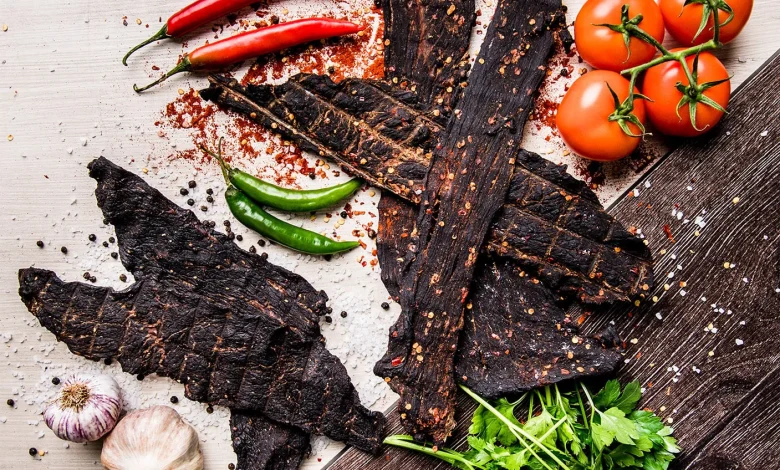
Craving a protein-packed snack that’s both delicious and aligns with your values? You’re not alone. More and more people are seeking out sustainably sourced and ethically produced foods. When it comes to satisfying that jerky craving, knowing where to find the best beef jerky can make all the difference.
But what exactly does “sustainably sourced” and “ethically made” mean in the world of beef jerky? And how can you be sure you’re making a responsible choice? Let’s dive in and explore the world of premium jerky, focusing on quality, ethical production, and where to find it.
What makes beef jerky “the best”?
The term “best” is subjective, of course, but there are some key factors that contribute to a truly exceptional jerky experience. Think beyond just flavour – consider these aspects:
- Quality of ingredients: High-quality cuts of beef are essential. Look for jerky made from lean, whole muscle meat, not processed scraps.
- Flavour profile: From smoky and savoury to sweet and spicy, the flavour options are endless. The best jerky boasts a well-balanced and complex flavour.
- Texture: Jerky should be chewy but not tough, with a satisfying bite.
- Ingredients: Natural ingredients and minimal preservatives are always a plus.
Beyond taste: ethical and sustainable considerations
While flavour and texture are important, ethical and sustainable sourcing elevates jerky from a simple snack to a conscious choice. Consider these factors when choosing your jerky:
- Sourcing: Where does the beef come from? Is it grass-fed, free-range, and humanely raised?
- Production methods: Are sustainable practices used in the production process to minimise environmental impact?
- Ethical treatment of animals: Was the beef sourced from farms that prioritise animal welfare?
Finding ethically made beef jerky
So, how do you navigate the world of jerky and find options that align with your values? Here are some tips:
Look for certifications
Certifications like “Certified Organic” or “Grass-Fed” can provide assurance that the beef meets certain standards. Research what these certifications mean and look for reputable organisations.
Research the brand
Take the time to learn about the brand’s sourcing practices and production methods. Do they have a website with information about their values and commitments? Are they transparent about where their beef comes from?
Read reviews
See what other customers are saying about the brand’s ethical and sustainable practices. Reviews can offer valuable insights into a company’s reputation.
Consider buying directly
Purchasing directly from a producer who prioritises ethical and sustainable practices can be a great way to support responsible farming. Many smaller producers buy beef jerky online and offer direct-to-consumer sales.
Why sustainably sourced jerky matters
Choosing sustainably sourced beef jerky is more than just a trend – it’s a conscious decision that benefits the environment, animal welfare, and your own health.
Environmental benefits
Sustainable farming practices can help reduce greenhouse gas emissions, conserve water, and protect biodiversity. By supporting these practices, you’re contributing to a healthier planet.
Animal welfare
Ethical sourcing ensures that animals are treated humanely and raised in conditions that allow them to thrive. This means access to pasture, freedom of movement, and minimal stress.
Health benefits
Jerky made from grass-fed beef is often lower in fat and higher in nutrients like omega-3 fatty acids. Choosing sustainably sourced jerky can be a healthier option for you and your family.
The future of snacking: conscious consumption
As consumers become more aware of the impact of their choices, the demand for sustainably sourced and ethically made products will continue to grow. By supporting brands that prioritise these values, you’re helping to create a more sustainable and responsible food system. When considering the best beef jerky, remember that your choices have power.
So, the next time you’re craving a protein-packed snack, take a moment to consider the source. Look for brands that are committed to quality, ethical production, and sustainable practices. Your taste buds – and the planet – will thank you.
Frequently Asked Questions
What does “grass-fed” beef mean?
Grass-fed beef comes from cattle that have primarily eaten grass and forage throughout their lives. This is in contrast to grain-fed beef, where cattle are often finished on grains in feedlots.
Is sustainably sourced beef jerky more expensive?
It can be, as ethical and sustainable practices often come with higher production costs. However, many consumers are willing to pay a premium for products that align with their values.
How can I tell if a brand is truly committed to sustainability?
Look for certifications, research their sourcing practices, and read reviews. Transparency is key – a brand that is truly committed to sustainability will be open about its practices.
Are there any vegan or vegetarian jerky alternatives?
Yes, there are many plant-based jerky alternatives made from ingredients like mushrooms, soy, or jackfruit. These can be a great option for those who don’t eat meat.
What are some good flavour pairings for beef jerky?
Beef jerky pairs well with a variety of flavours, including cheese, crackers, fruit, and nuts. It’s also a great addition to hiking snacks or camping meals.


