
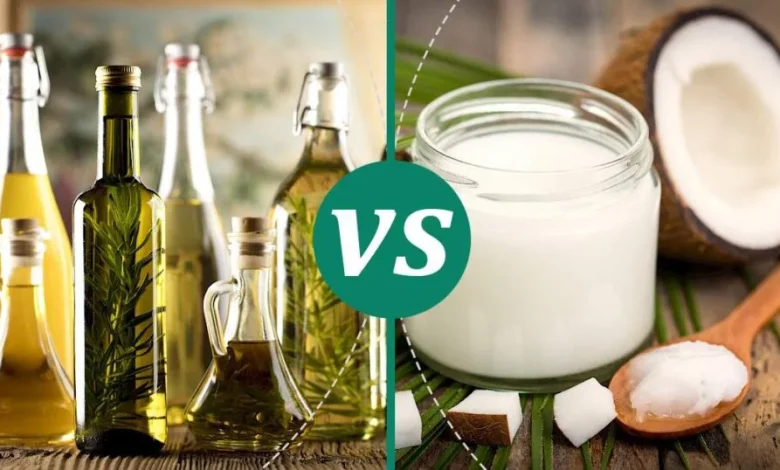
Deciding on the right cooking oil isn’t always easy. In India, the market is filled with options, each claiming to be the healthiest oil for your heart and overall well-being. Among the most discussed are olive oil and coconut oil. Both bring unique qualities and health benefits to the table. However, choosing the one that works best for everyday cooking means looking closely at their nutritional profiles, cooking properties, and long-term impact on health.
Nutritional Profile Matters
Coconut oil has long been a staple in South Indian cuisine, known for its rich aroma and the unique flavour it imparts to dishes. It contains a high proportion of saturated fats, which can be stable at high temperatures but have been linked to increased cholesterol levels if consumed excessively. While it does provide some medium-chain triglycerides (MCTs) that are quickly metabolised for energy, its overall impact on heart health is still a subject of debate.
Olive oil, on the other hand, is primarily composed of monounsaturated fats, particularly oleic acid, which has been extensively studied for its heart-protective properties. Regular consumption of olive oil has been associated with lower LDL (bad cholesterol) levels and higher HDL (good cholesterol) levels. Additionally, olive oil is rich in antioxidants, including vitamin E and polyphenols, which help combat oxidative stress and inflammation in the body. For Indian households looking to balance rich flavour with long-term wellness, olive oil stands out as an excellent choice for daily cooking.
Cooking Properties and Taste
Coconut oil is highly heat-stable, making it suitable for frying and sautéing. Its distinct aroma works well in traditional South Indian dishes, such as coconut rice, chutneys, and Kerala-style curries. However, the strong flavour can sometimes overpower more delicate ingredients, and its high saturated fat content may not suit all health-conscious individuals.
Olive oil, particularly extra virgin olive oil, has a moderate smoke point, making it suitable for most cooking techniques, including stir-frying and sautéing. For deep-fried dishes, extra light olive oil is a better fit, due to its higher smoke point. While its flavour is milder compared to coconut oil, it lends a pleasant, fruity note to salads, marinades, and even Indian fusion dishes. For families wanting to include healthier fats without giving up on taste, olive oil offers versatility across a wide range of recipes.
Health Considerations for Indians
India is witnessing a rise in lifestyle-related health issues such as heart disease and diabetes. Research suggests that replacing saturated fats with monounsaturated fats, as found in olive oil, can improve cardiovascular health and reduce the risk of chronic diseases. For households that have traditionally relied on coconut oil, gradually switching to olive oil can be a practical and sustainable way to protect heart health and continue enjoying flavourful meals.
Moreover, healthy cooking olive oil has shown potential benefits for blood sugar regulation and weight management, which are particularly relevant for Indian diets that often include rice, chapati, and other carbohydrate-rich staples. By incorporating olive oil into everyday cooking, families can enjoy their favourite dishes and support long-term wellness.
Making the Switch
Transitioning from coconut oil to olive oil doesn’t mean giving up cherished recipes. Start by using olive oil for salads, light sautéing, or mixing it with traditional dishes to retain the familiar taste. Over time, it can become a versatile staple in your kitchen, complementing both traditional and modern Indian recipes.
Conclusion
Both coconut oil and olive oil have their place in cooking, but when it comes to long-term health, nutritional balance, and versatility, olive oil subtly edges ahead. For Indian households looking to make healthier choices without compromising flavour, incorporating olive oil into everyday meals is a step toward a heart-friendly, wholesome lifestyle.