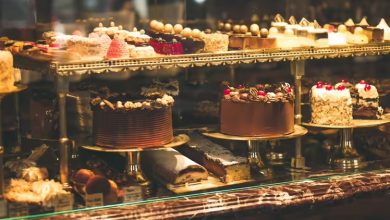

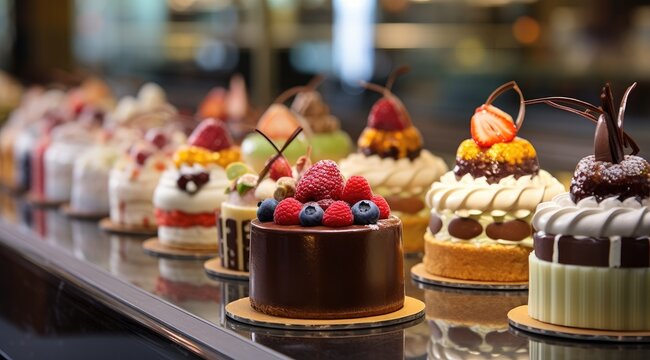
Bakery & cake creations have been central to celebrations, personal indulgence, and culinary artistry for centuries. Whether it’s a simple loaf of bread, a classic birthday cake, or an elaborate wedding masterpiece, bakeries play a crucial role in bringing people together through the love of baked goods. This article explores the rich history, contemporary trends, and practical insights into bakery and cake culture, helping enthusiasts and professionals alike understand the breadth of this delicious industry.
The History of Bakery & Cake
Baking dates back to ancient civilizations. Early breads and cakes were made from simple ingredients like grains, honey, and nuts, often prepared in communal ovens. The concept of cakes evolved over time: the Egyptians introduced sweetened cakes with honey, while medieval Europe developed more elaborate confections using sugar, spices, and dried fruits. By the 17th century, French patisseries had perfected layered cakes and delicate pastries, influencing bakery culture worldwide. Today, bakery & cake innovations continue to fuse tradition with modern flavors and techniques.
Types of Cakes You Can Find in a Bakery
Bakeries today offer a wide variety of cakes catering to diverse tastes and occasions. Some of the most popular types include:
- Butter Cakes: Rich and moist, made with butter, sugar, eggs, and flour. Perfect for birthday cakes and layered creations.
- Sponge Cakes: Light and airy, often used for rolling into Swiss rolls or layered cakes.
- Cheesecakes: Creamy and decadent, often featuring a biscuit or graham cracker base.
- Fruit Cakes: Dense cakes filled with dried fruits and nuts, commonly served during festive seasons.
- Chocolate Cakes: A favorite among chocolate lovers, ranging from moist chocolate sponge to rich ganache-covered indulgences.
- Specialty Cakes: Custom-designed cakes like wedding cakes, themed cakes, and artistic sculpted creations.
Each type of cake has its own preparation technique, baking requirements, and decoration style, making bakery & cake craftsmanship a versatile skill for bakers.
Modern Bakery Trends
The bakery industry has evolved dramatically in recent years. Some emerging trends in bakery & cake culture include:
- Health-Conscious Cakes: Bakeries now offer gluten-free, vegan, and sugar-free cakes, catering to health-conscious consumers without compromising on taste.
- Customized and Personalized Cakes: From intricate fondant designs to edible photo prints, personalization has become a key attraction for special occasions.
- Artisan and Boutique Bakeries: Small, local bakeries focus on high-quality ingredients, unique flavors, and handcrafted presentation, differentiating themselves from mass-produced products.
- International Flavors: Incorporating flavors like matcha, salted caramel, tiramisu, and exotic fruits into cakes has become popular, expanding taste horizons.
- Interactive Cake Experiences: Some bakeries offer workshops and DIY kits, enabling customers to participate in the cake-making process and explore creative expression.
Tips for Choosing the Perfect Cake from a Bakery
Selecting the right cake for an event can make a lasting impression. Here are practical tips to consider when visiting a bakery:
- Know Your Occasion: Birthday, wedding, anniversary, or corporate event – the type of celebration influences cake size, style, and flavor.
- Flavor Preference: Consider the tastes of your guests; vanilla, chocolate, red velvet, and fruit-based cakes are usually crowd-pleasers.
- Customization Options: Ensure the bakery can accommodate your preferred designs, writing, or theme.
- Quality of Ingredients: Look for fresh ingredients, natural flavorings, and minimal preservatives for the best taste.
- Presentation Matters: Cakes are visually impactful; check frosting, layers, and decoration details.
- Read Reviews: Customer feedback provides insight into taste, service, and reliability of the bakery.
Baking Your Own Cake: A Beginner’s Guide
For those who love a hands-on approach, baking cakes at home can be a rewarding experience. Here’s a simple roadmap for beginners:
- Choose Your Recipe: Start with basic recipes like vanilla or chocolate cake.
- Measure Ingredients Accurately: Baking is precise; use proper measuring cups and scales.
- Preheat the Oven: Ensures even baking from the start.
- Mix Ingredients Properly: Follow steps for creaming, folding, or whisking as specified.
- Bake and Test: Insert a toothpick in the center; if it comes out clean, the cake is done.
- Cool Before Frosting: Prevents frosting from melting or sliding off the cake.
- Decorate Creatively: Use buttercream, fondant, fruits, or edible decorations for aesthetic appeal.
The Role of Bakery & Cake in Celebrations
Cakes are more than just desserts; they symbolize joy, success, and togetherness. In weddings, they represent unity; in birthdays, a milestone; in cultural festivals, a traditional treat. Bakery products often reflect local flavors and customs, making each cake unique in its context.
Challenges Faced by Modern Bakeries
Running a successful bakery & cake business comes with challenges:
- Competition: Standing out among numerous bakeries requires innovation and consistent quality.
- Ingredient Costs: High-quality ingredients can be expensive, affecting pricing strategies.
- Skill Development: Mastering complex cake designs and baking techniques takes time and practice.
- Customer Expectations: Modern consumers demand both taste and aesthetic perfection.
- Health Trends: Offering healthier options without compromising flavor is an ongoing challenge.
Despite these challenges, bakeries that focus on creativity, quality, and customer experience continue to thrive.
Baking Technology and Innovations
Technology has enhanced the bakery & cake industry significantly:
- 3D Cake Printing: Allows intricate and precise cake designs that were once difficult to achieve by hand.
- Automated Mixers and Ovens: Improve efficiency while maintaining consistent results.
- Digital Cake Decorating Tools: Enable bakers to create edible prints, gradients, and patterns with professional finesse.
- Online Ordering and Delivery: Expands reach and convenience for customers seeking customized cakes.
Tips for Starting a Bakery Business
Aspiring bakers can turn their passion into a profitable venture by following these tips:
- Develop a Business Plan: Outline target audience, budget, menu, and marketing strategy.
- Focus on Signature Products: Create a standout cake or pastry that defines your bakery.
- Invest in Quality Equipment: Reliable ovens, mixers, and decoration tools improve output and consistency.
- Build an Online Presence: Social media, websites, and online ordering platforms attract modern customers.
- Customer Engagement: Encourage reviews, loyalty programs, and interactive workshops to retain clientele.
Bakery & Cake: A Global Perspective
While bakery traditions vary across countries, the universal love for cake connects cultures worldwide:
- France: Known for delicate pastries, mille-feuille, and layered cream cakes.
- Italy: Famous for tiramisu, panettone, and rich sponge-based desserts.
- Japan: Offers matcha-flavored and light chiffon cakes with subtle sweetness.
- United States: Popular for robust chocolate, red velvet, and multi-layered celebration cakes.
- Middle East: Incorporates nuts, dates, and honey into traditional cake recipes.
Exploring international bakery & cake recipes can inspire both professional bakers and home enthusiasts.
Conclusion
Bakery & cake culture combines tradition, innovation, and artistry, making it an essential part of celebrations and everyday indulgence. Whether you visit a local bakery, bake at home, or experiment with modern designs, the experience of savoring or creating a cake brings joy and connection. By understanding the history, trends, and best practices of bakery & cake, enthusiasts and professionals can fully appreciate the craft and creativity behind every slice.
FAQ Section
1. What is the difference between a bakery and a cake shop?
A bakery typically offers a variety of baked goods, including bread, pastries, and cakes. A cake shop specializes mainly in cakes, often with custom designs for events.
2. How do I choose the right cake flavor for my party?
Consider the preferences of your guests, the type of event, and popular flavors like chocolate, vanilla, or fruit-based options.
3. Can I order a vegan or gluten-free cake from a bakery?
Yes, many modern bakeries now provide vegan, gluten-free, and other dietary-specific cakes without compromising on taste.
4. How far in advance should I order a cake for a special occasion?
For customized cakes, it’s best to order at least one to two weeks in advance, depending on the complexity of the design.
5. What are some popular cake decoration techniques?
Techniques include buttercream frosting, fondant sculpting, piping, edible prints, chocolate drips, and fresh fruit toppings.
6. How do bakeries maintain consistent quality across products?
Bakeries use standardized recipes, professional equipment, and trained staff to ensure consistency in taste, texture, and appearance.
7. Are there trends in cake flavors I should try?
Yes, trends include salted caramel, matcha, exotic fruit combinations, layered mousses, and fusion desserts combining international flavors.