
Cooking is both an art and a science. Whether you’re a beginner experimenting with simple meals or an experienced home chef exploring advanced techniques, mastering cooking requires knowledge, practice, and a few insider tips. From understanding ingredients and kitchen tools to perfecting techniques and flavor combinations, these cooking tips are designed to elevate your culinary skills, save time, and make every dish a success.
Understanding the Basics of Cooking
Before diving into advanced techniques, it’s essential to understand the fundamentals of cooking. Here are the key elements every cook should know:
- Ingredients: Freshness and quality matter. Fresh herbs, seasonal vegetables, and high-quality proteins improve flavor and texture.
- Seasoning: Salt, pepper, and spices are crucial for flavor. Understanding when and how to season ensures balanced dishes.
- Heat Control: Different cooking methods require precise temperature management. Learning how to sear, simmer, or roast affects the outcome significantly.
- Timing: Overcooking or undercooking can ruin a meal. Proper timing ensures perfect texture and flavor.
Essential Cooking Tips for Beginners
Starting with the basics can prevent frustration and improve results in the kitchen:
- Read Recipes Thoroughly: Understanding steps, ingredients, and cooking times before starting avoids mistakes.
- Prep Ingredients in Advance: Chopping, measuring, and arranging ingredients (mise en place) saves time and reduces stress.
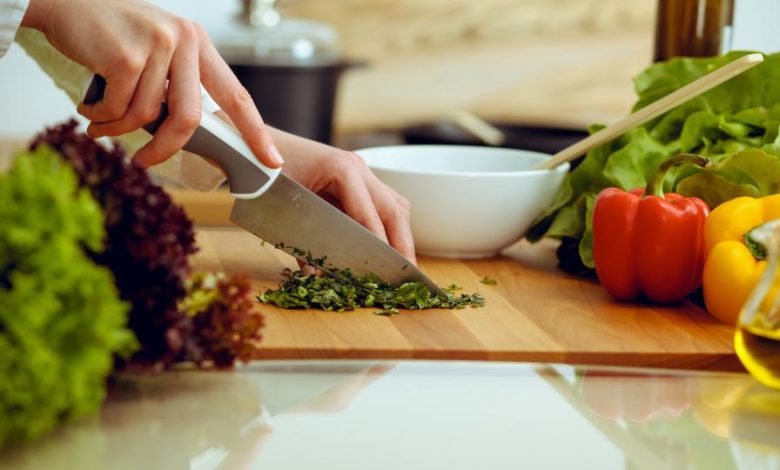
- Use Sharp Knives: A sharp knife improves efficiency, safety, and precision.
- Clean As You Go: Keeping your workspace organized prevents accidents and simplifies cleanup.
- Taste While Cooking: Adjusting seasoning as you go ensures dishes are flavorful and balanced.
Advanced Cooking Techniques
For those looking to enhance their skills, mastering these techniques can transform simple meals into gourmet dishes:
- Searing and Browning: Develops flavor through caramelization. Use high heat for meat, fish, or vegetables to create a rich crust.
- Deglazing: Adding liquid to a hot pan to lift caramelized bits creates flavorful sauces. Wine, stock, or vinegar works well.
- Sous Vide Cooking: Precision cooking in a water bath ensures consistent texture and doneness.
- Roasting and Baking: Enhances flavor through dry heat. Understanding temperature and timing is essential for perfect results.
- Grilling: High-heat cooking adds smoky flavor and caramelization to meats, vegetables, and even fruits.
Time-Saving Cooking Tips
Efficient cooking saves time and reduces stress, especially for busy home cooks:
- Batch Cooking: Prepare larger portions and store them for later meals.
- Use Pre-Chopped or Frozen Ingredients: Freshly frozen vegetables and pre-chopped ingredients save prep time without sacrificing quality.
- Multitask: Cook grains or pasta while roasting vegetables to make the most of your time.
- One-Pot Meals: Reduce cleanup and save time by combining ingredients in a single pot or pan.
- Pressure Cooking: Modern pressure cookers speed up slow-cooked meals like stews, beans, and soups.
Flavor Enhancement Tips
Flavor is the heart of cooking, and understanding how to build it can elevate any dish:
- Layering Flavors: Use aromatics like onions, garlic, and herbs early in the cooking process for depth.
- Acidity and Balance: Lemon juice, vinegar, or yogurt can brighten dishes and balance richness.
- Herbs and Spices: Fresh herbs add vibrancy; dried spices intensify flavor. Learn which combinations complement your dishes.
- Marination: Marinating proteins or vegetables infuses flavor and improves tenderness.
- Umami Boosters: Ingredients like soy sauce, tomatoes, mushrooms, or Parmesan cheese enhance savory taste.
Healthy Cooking Tips
Cooking can be both delicious and nutritious when these tips are applied:
- Use Healthy Oils: Olive, avocado, or coconut oils provide flavor and healthier fat alternatives.
- Steam or Roast Vegetables: Retains nutrients compared to deep-frying.
- Reduce Sodium: Enhance flavor with herbs, spices, and citrus instead of relying solely on salt.
- Lean Proteins: Opt for fish, chicken, tofu, or legumes for healthier meals.
- Whole Grains: Incorporate brown rice, quinoa, or whole wheat pasta for added fiber and nutrients.
Common Cooking Mistakes and How to Avoid Them
Even experienced cooks face challenges, but understanding mistakes can improve results:
- Overcrowding the Pan: Causes steaming instead of searing; cook in batches if needed.
- Cooking Meat Straight From the Fridge: Allow proteins to reach room temperature for even cooking.
- Neglecting Rest Time: Let meat rest after cooking to retain juices.
- Using the Wrong Knife: Different tasks require specific knives for safety and precision.
- Ignoring Kitchen Safety: Always handle knives, hot pans, and raw ingredients carefully to avoid accidents.
Cooking Tips for Specific Ingredients
- Vegetables: Cut uniformly for even cooking; blanching helps preserve color and texture.
- Meat: Marinate for tenderness, sear for flavor, and rest to retain juices.
- Seafood: Cook quickly and avoid overcooking to maintain texture and moisture.
- Eggs: Use low heat for scrambled eggs and ensure proper poaching techniques for consistent results.
- Grains: Rinse rice or quinoa to remove excess starch; use proper water-to-grain ratios for perfect texture.
Kitchen Tools That Make Cooking Easier
Having the right tools can simplify processes and improve outcomes:
- Sharp Knives: Essential for precision and safety.
- Cutting Boards: Separate boards for meat and vegetables prevent cross-contamination.
- Measuring Cups and Spoons: Ensure accurate ingredient portions.
- Cookware: Non-stick pans, stainless steel pots, and cast-iron skillets offer versatility.
- Thermometers: Ensure proteins reach safe internal temperatures.
- Blenders and Food Processors: Save time on chopping, pureeing, and blending.
Tips for Cooking on a Budget
Cooking delicious meals doesn’t have to be expensive:
- Plan Meals Ahead: Reduces waste and ensures efficient use of ingredients.
- Use Seasonal Produce: Fresher and more affordable than out-of-season items.
- Cook in Bulk: Prepare multiple servings to save money and time.
- Substitute Ingredients: Swap expensive items for affordable alternatives without sacrificing flavor.
- Use Leftovers Creatively: Reinvent meals to minimize waste and maximize flavor.
Conclusion
Mastering cooking involves a combination of knowledge, creativity, and practice. By implementing these cooking tips, home chefs can enhance flavor, save time, cook efficiently, and avoid common mistakes. Whether you’re preparing a quick weeknight dinner or an elaborate weekend feast, these strategies provide a foundation for culinary success and inspire confidence in the kitchen. Cooking is an evolving skill, and each meal is an opportunity to experiment, learn, and enjoy the process.
FAQ Section
1. What are the most important cooking tips for beginners?
Focus on prepping ingredients, using sharp knives, reading recipes thoroughly, and tasting dishes as you cook.
2. How can I improve the flavor of my meals?
Use fresh herbs, spices, aromatics, proper seasoning, and balance acidity with sweetness or richness.
3. What are time-saving cooking tips for busy individuals?
Batch cooking, one-pot meals, pre-chopped ingredients, and pressure cooking can save time in the kitchen.
4. How do I prevent overcooking meat or vegetables?
Monitor cooking times carefully, use appropriate heat, and allow proteins to rest after cooking.
5. Which tools are essential for a home chef?
Sharp knives, cutting boards, quality cookware, measuring tools, thermometers, and blenders are essential.
6. How can I cook healthy meals without sacrificing flavor?
Use healthy oils, steam or roast vegetables, reduce sodium, incorporate lean proteins, and include whole grains.
7. What common mistakes should I avoid while cooking?
Avoid overcrowding pans, cooking meat straight from the fridge, neglecting rest times, using the wrong knives, and ignoring safety precautions.